Darshan & Puja
at Baba Baidyanath Dham.
One of India's most sacred Jyotirlingas — a divine experience that awaits every pilgrim visiting Jasidih.
Baba Baidyanath Dham
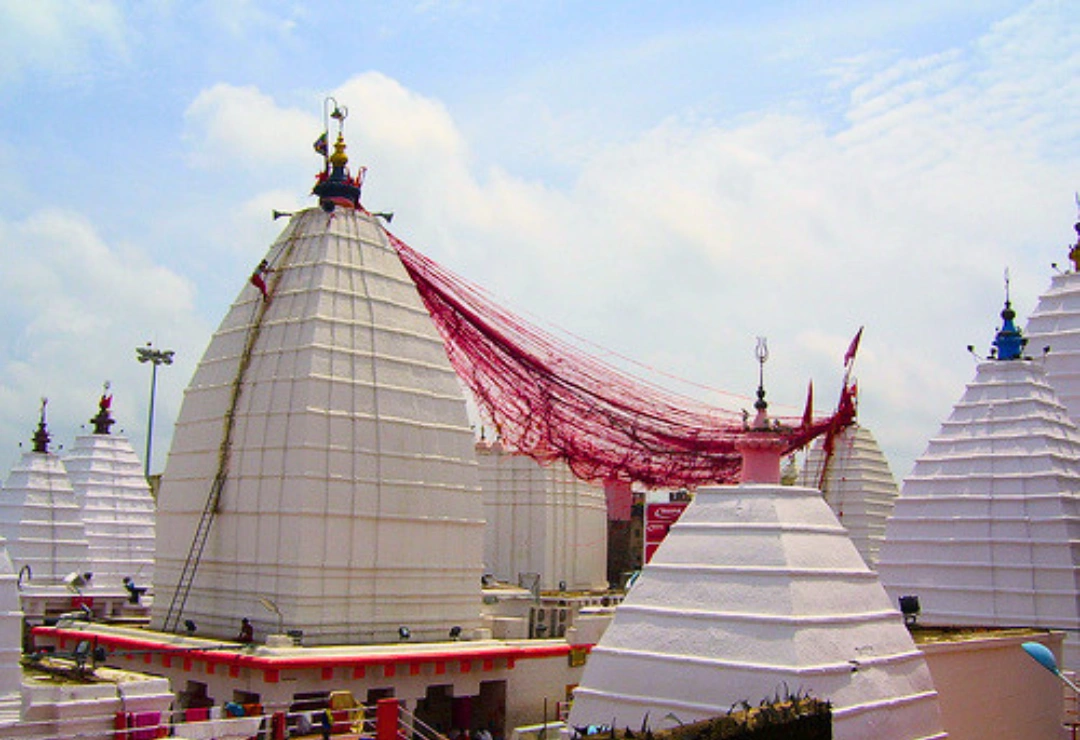
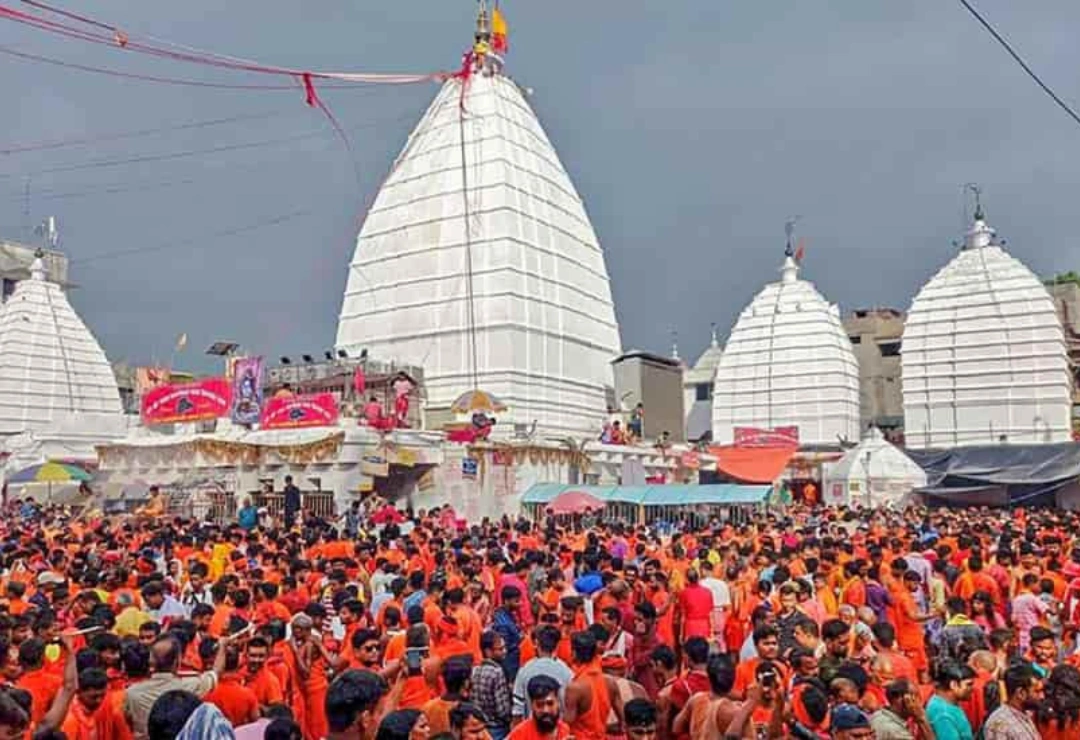
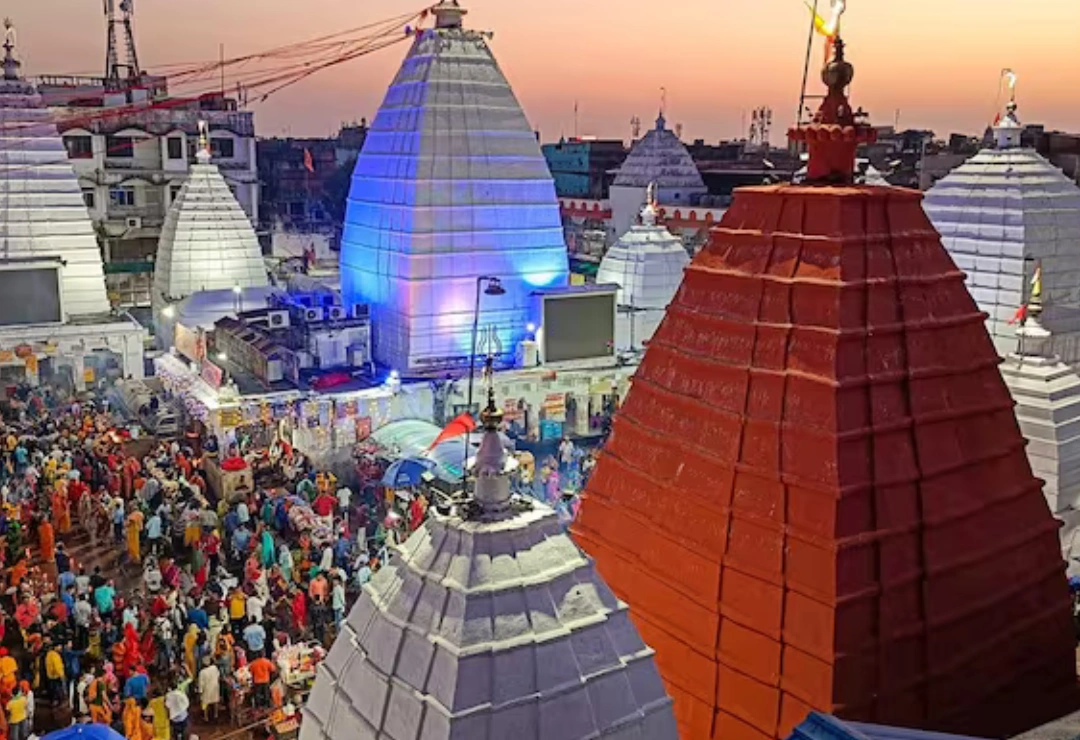
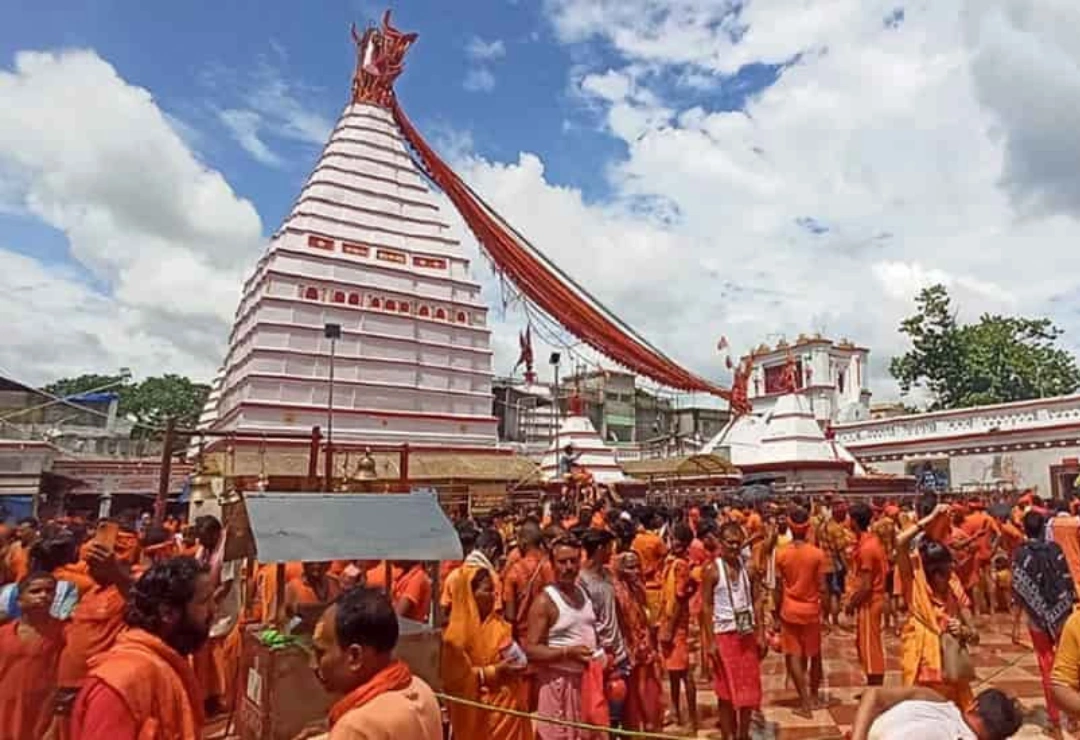
About Baba Baidyanath Dham
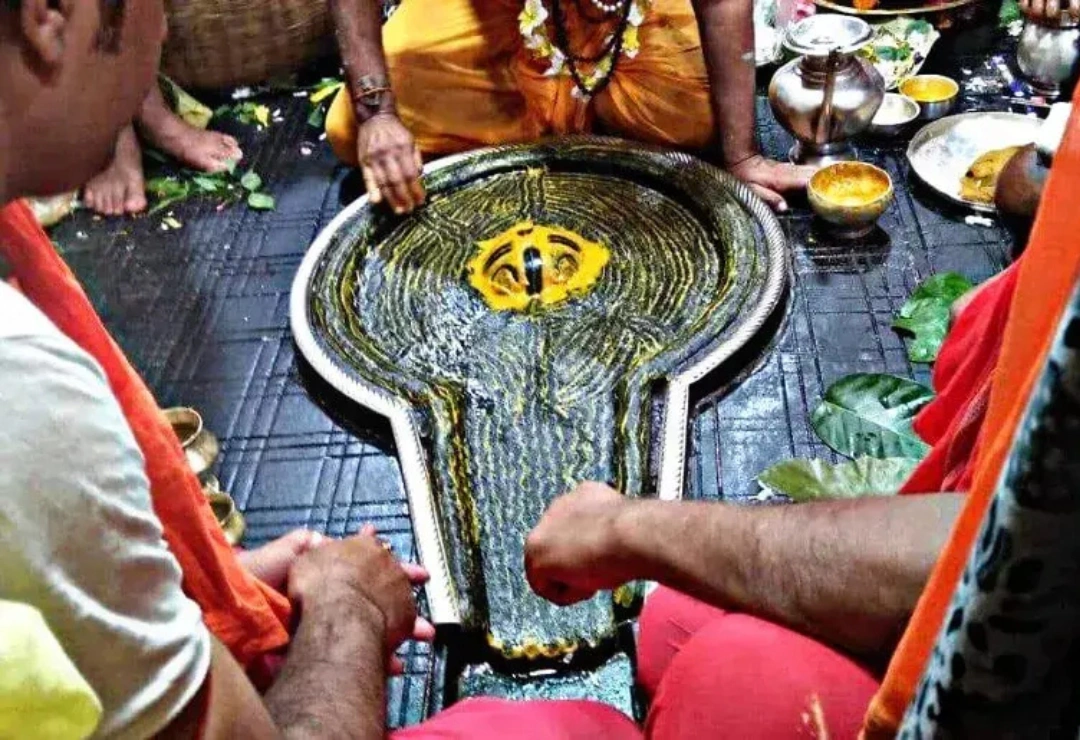
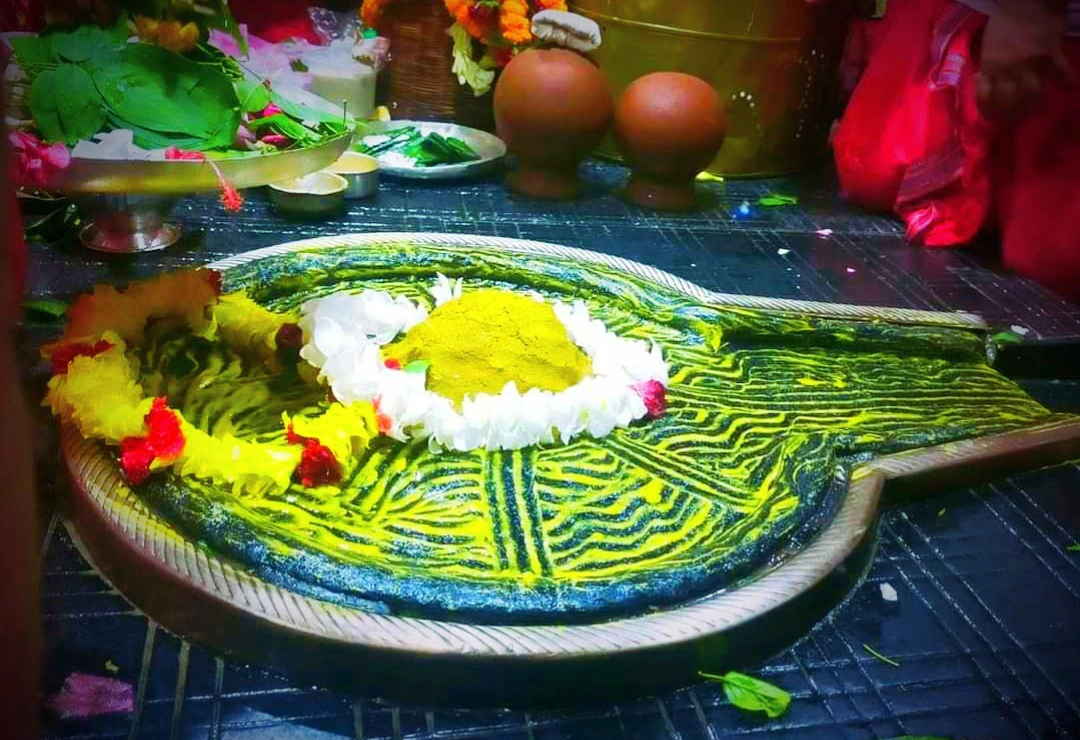
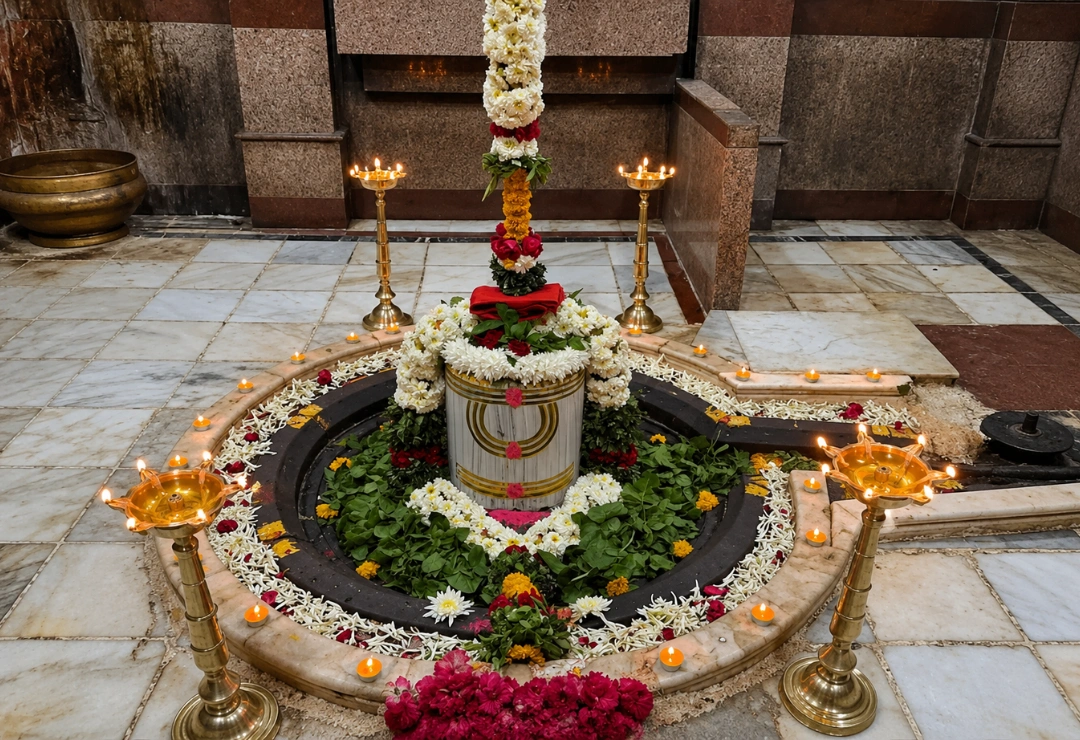
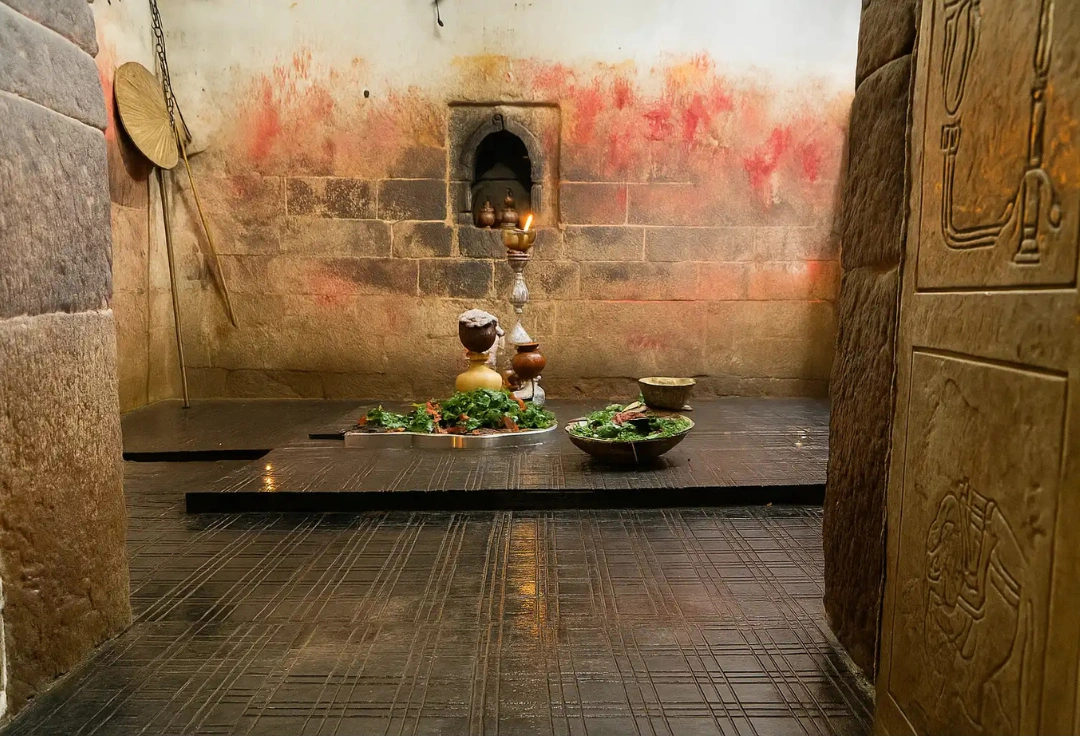
Baba Baidyanath Dham, located in Deoghar, Jharkhand, is one of the twelve sacred Jyotirlingas — the most holy shrines of Lord Shiva in Hinduism. It is also considered one of the 51 Shakti Peethas, making it a uniquely powerful place of spiritual convergence.
According to legend, the demon king Ravana offered his ten heads one by one to please Lord Shiva here. Moved by his devotion, Shiva granted his wish but was prevented from leaving with the Shivalinga, which then became permanently enshrined at this spot.
Millions of pilgrims — particularly during the holy month of Shravan — undertake the sacred Kanwar Yatra, carrying holy water from the Ganga to offer at the temple. The temple complex also houses shrines of Goddess Parvati and other deities.
Temple Timings
Timings may vary during festivals, Shravan month and special occasions. Always verify locally before planning your visit.
Shravan Month — Special Significance
The holy month of Shravan (July–August) is the most auspicious time to visit Baba Baidyanath Dham. Millions of devotees undertake the sacred Kanwar Yatra — carrying holy water from the Ganga River (from Sultanganj, ~105 km away) to offer to Baba Baidyanath.
Types of Puja & Offerings
Jalabhishek
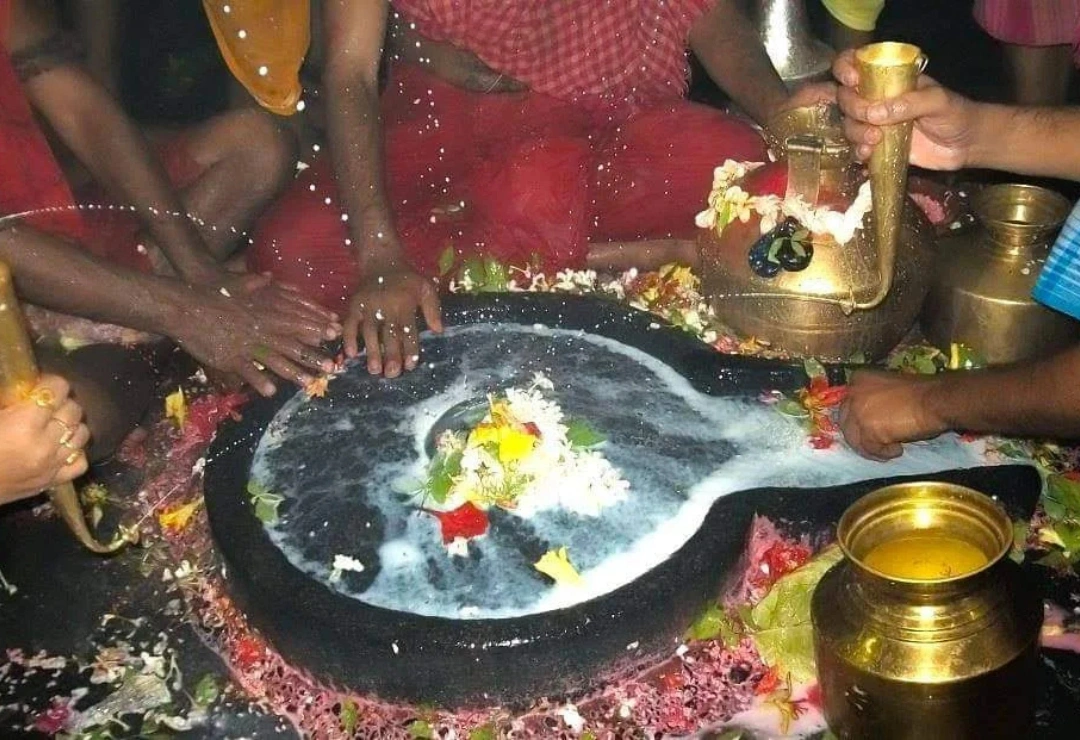
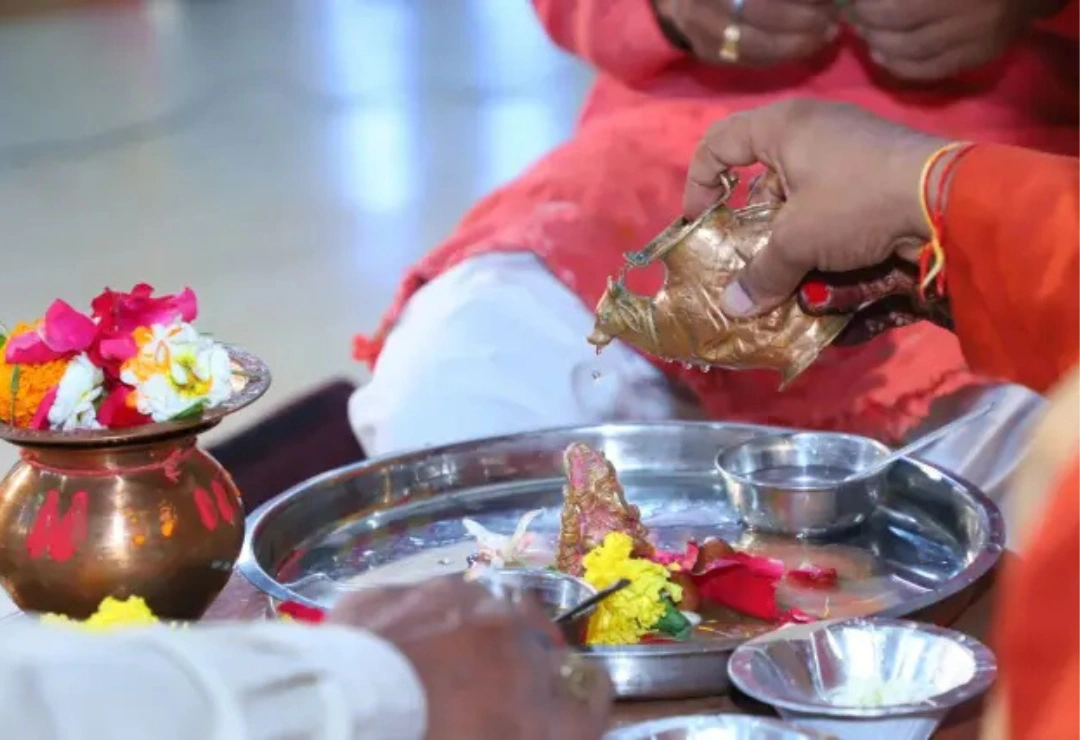
The most common offering — pouring sacred Ganga water or plain water on the Shivalinga. Performed by devotees during morning hours.
10–20 minutesRudrabhishek
A more elaborate abhishek with Panchamrit (milk, curd, honey, ghee, sugar), accompanied by chanting of Rudrashtadhyayi mantras.
1–2 hoursLaghu Rudra
An extended form of Rudrabhishek performed 11 times. Conducted by trained priests with full Vedic rituals and sacred offerings.
3–4 hoursMaha Rudra
Laghu Rudra performed 11 times — a grand ritual of immense spiritual significance. Typically arranged by groups or families together.
Full dayBel Patra Archana
Offering of Bel leaves (sacred to Lord Shiva) with chanting of 108 or 1008 names of Shiva. Simple yet deeply devotional.
30–45 minutesShringar Puja
Decorating the deity with flowers, garlands and sacred ornaments. Performed by temple priests during special occasions.
By arrangementImportant Information for Bhakts
Dress Code
- Traditional Indian attire preferred
- Dhoti / Kurta-Pyjama for men
- Saree / Salwar-Kameez for women
- Shorts, sleeveless tops not permitted
Items Not Allowed
- Mobile phones & cameras inside sanctum
- Leather items (belts, wallets, shoes)
- Non-vegetarian food or alcohol
- Large bags or luggage
Queue & Darshan
- Separate queues for general & VIP darshan
- Queue starts forming from 3:30–4:00 AM
- Earliest morning hours have shortest queues
- Weekdays less crowded than weekends
General Tips
- Arrive early — temple is busiest post sunrise
- Deposit valuables at Arogya Bhawan before visiting
- Cloak room available near temple entrance
- Carry small change for offerings
Nearby Temples & Sacred Sites
Naulakha Mandir, Deoghar
A stunning temple built at a cost of nine lakh rupees — featuring intricate architecture and serene surroundings. Dedicated to Radha-Krishna.
Basukinath Mandir
An important Shiva temple where devotees traditionally offer prayers after visiting Baidyanath. Many pilgrims complete both temples in a single trip.
Trikut Parvat
A scenic three-peaked hill with a ropeway offering breathtaking views. Several shrines dot the hilltop. A popular stop for pilgrims and nature lovers.
Rikhiapeeth Ashram
Founded by Swami Satyananda Saraswati — a major centre for yoga, meditation and spiritual learning. Peaceful and deeply inspiring.
Satsang Ashram, Deoghar
A significant spiritual heritage site with a large complex of temples and meditation spaces. Founded by Thakur Anukulchandra.